

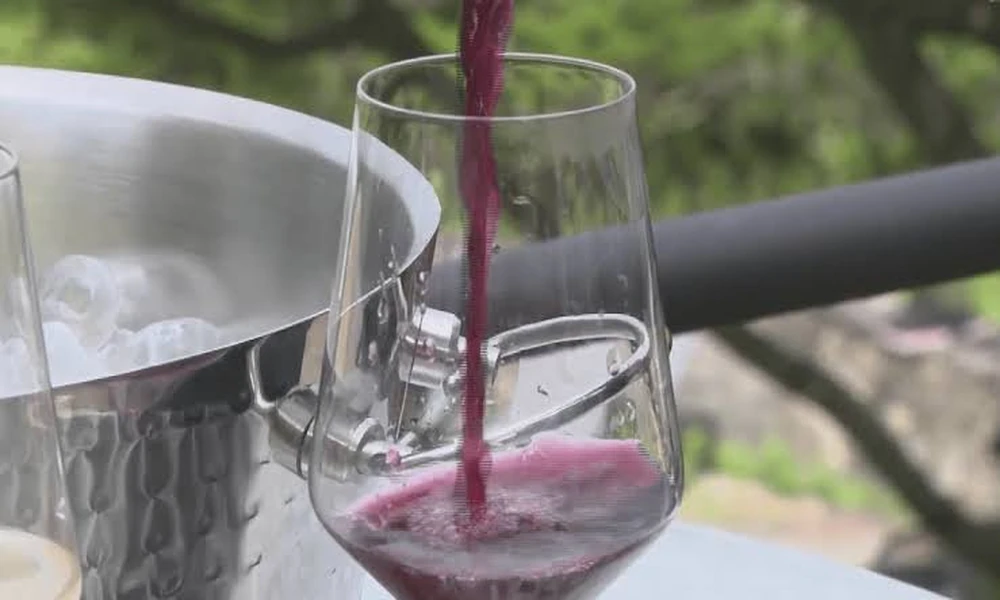
Wine has been the default for a lot of people’s after-work ritual for so long that nobody really questions it. Lately, though, that’s shifting. BudPop THC drinks show up more and more in that same slot, mainly because the guesswork is gone. There’s no glass to eyeball, no bottle sitting half empty on the counter, reminding you how much you’ve had. Crack the can. Done.
Wine has this quiet way of expanding past whatever limit you set for yourself. One glass on Tuesday somehow becomes two by Thursday and three by the weekend, and it happens so gradually that most people don’t notice until later. A can doesn’t allow for that kind of drift. Whatever’s inside was measured out long before it reached your fridge, so the only decision left is whether you open a second one or not. That single fact, more than anything else about flavour or effects, is what pulls people toward trying the switch in the first place.
Sleep quality differences
Alcohol has a rough relationship with sleep, even though it doesn’t always feel that way in the moment.
- The first stretch of sleep loses REM time, sometimes a lot of it.
- Waking around 3 or 4 a.m. happens often, largely from dehydration.
- Cannabis drinks skip that diuretic problem almost completely.
- Falling asleep can happen faster, too, since there’s no racing heartbeat working against you.
Switching drinks won’t magically repair someone’s sleep. It removes one variable, though, and for a surprising number of people, that’s the one that was causing the most trouble to begin with.
Taste and format options
Early cannabis beverages tasted rough. Medicinal, grassy, usually masked with way too much fake fruit flavour. That’s mostly gone now. Grapefruit versions taste like grapefruit. Blackberry tastes like blackberry. There are plain sparkling options too, and a handful that go in weirder directions, ginger, hibiscus, things you’d expect from a fancy soda brand rather than anything cannabis related.
Carbonation carries more weight than people assume going in. Something about pouring a fizzy drink over ice still scratches that same itch wine used to, even though what’s in the glass is completely different now. Temperature plays a role as well, and an odd one. Leave a can out too long, and it goes flat, tastes more bitter, more plant-like. Keep it cold, and most of that fades into the background.
Onset timing comparison
Wine works fast. First sip, a few minutes, you’re already feeling it. That instant feedback is a big part of why people reach for it without thinking twice. THC drinks don’t move at that speed at all.
- Onset usually falls somewhere between fifteen and forty-five minutes.
- It builds slowly rather than hitting in one wave.
- Once it arrives, it tends to stay longer; three or four hours isn’t unusual.
- Opening a second can before the first has kicked in is a common mistake.
That gap changes the whole shape of the evening. Crack one open right at bedtime, and the effects might not even show up until you’re already lying there trying to sleep, which defeats the purpose. Most people who keep doing this long term end up shifting the timing earlier, closer to dinner than to the last hour before bed.
It’s not really interchangeable, even if they take up the same time slot. The pace is different. Time takes its toll on the payoff. This swap works better when handled as a new habit rather than a wine replacement.
