

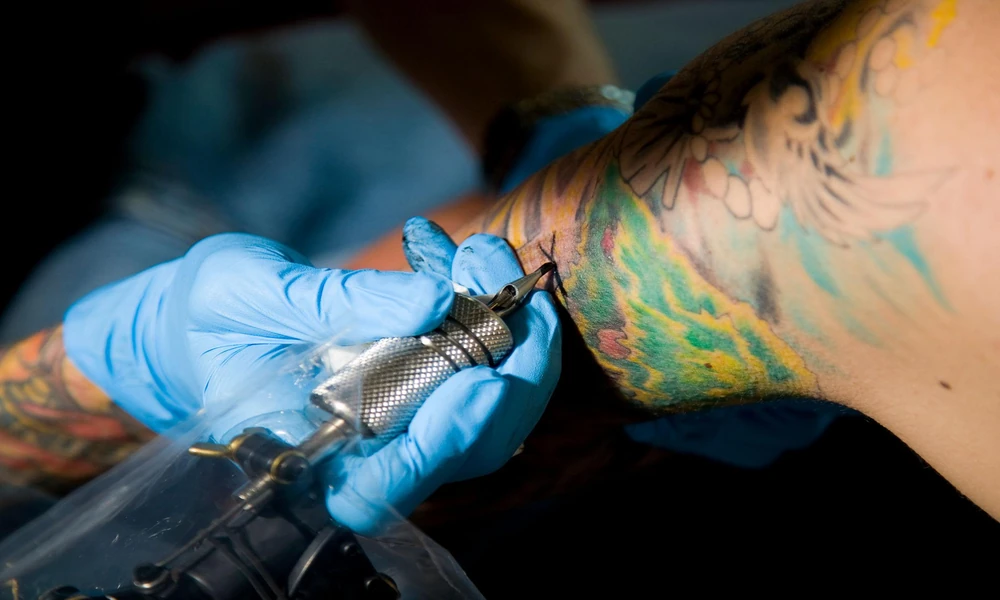
Tattoo ink is designed to stay within the dermis, the layer of skin beneath the surface. However, in some cases, the ink can spread beyond its intended placement, causing blurred lines and a less defined appearance. This issue is commonly known as a tattoo blowout.
What Causes Tattoo Ink to Spread?
One of the most common causes of ink spreading is when the tattoo needle penetrates too deeply into the skin. When ink reaches the fatty tissue below the dermis, it can migrate outward and create a blurry effect around the design.
Certain body areas are also more prone to ink spreading. Thin-skinned locations such as the fingers, wrists, ankles, and feet can make it more difficult to keep ink precisely in place.
Over time, natural skin aging may also soften tattoo lines. While this is normal, excessive sun exposure and poor skin care can accelerate the process and make tattoos appear less sharp.
How to Avoid Tattoo Ink Spreading
Choose an Experienced Tattoo Artist
Proper needle depth is critical to creating clean, long-lasting tattoos. An experienced artist understands how different skin types and body locations affect ink placement.
Select a Design That Ages Well
Extremely small details and tightly packed lines may lose definition over time. Designs with adequate spacing often maintain their appearance longer.
Follow Proper Aftercare
Keeping a new tattoo clean and moisturized helps support proper healing. Avoid scratching, picking scabs, or exposing the tattoo to unnecessary irritation during the recovery period.
Protect Your Tattoo From the Sun
Ultraviolet rays can damage the skin and contribute to fading. Applying sunscreen to healed tattoos can help preserve color and line definition.
Maintain Healthy Skin
Hydrated skin generally helps tattoos
This post was written by J Michael Taylor. J Michael Taylor is an artist and the owner of Black Amethyst Tattoo Gallery. Looking for Tattoo shops in St Petersburg, Florida? Black Amethyst has you covered! They provide an art-first approach to custom tattooing in a gallery setting.
